
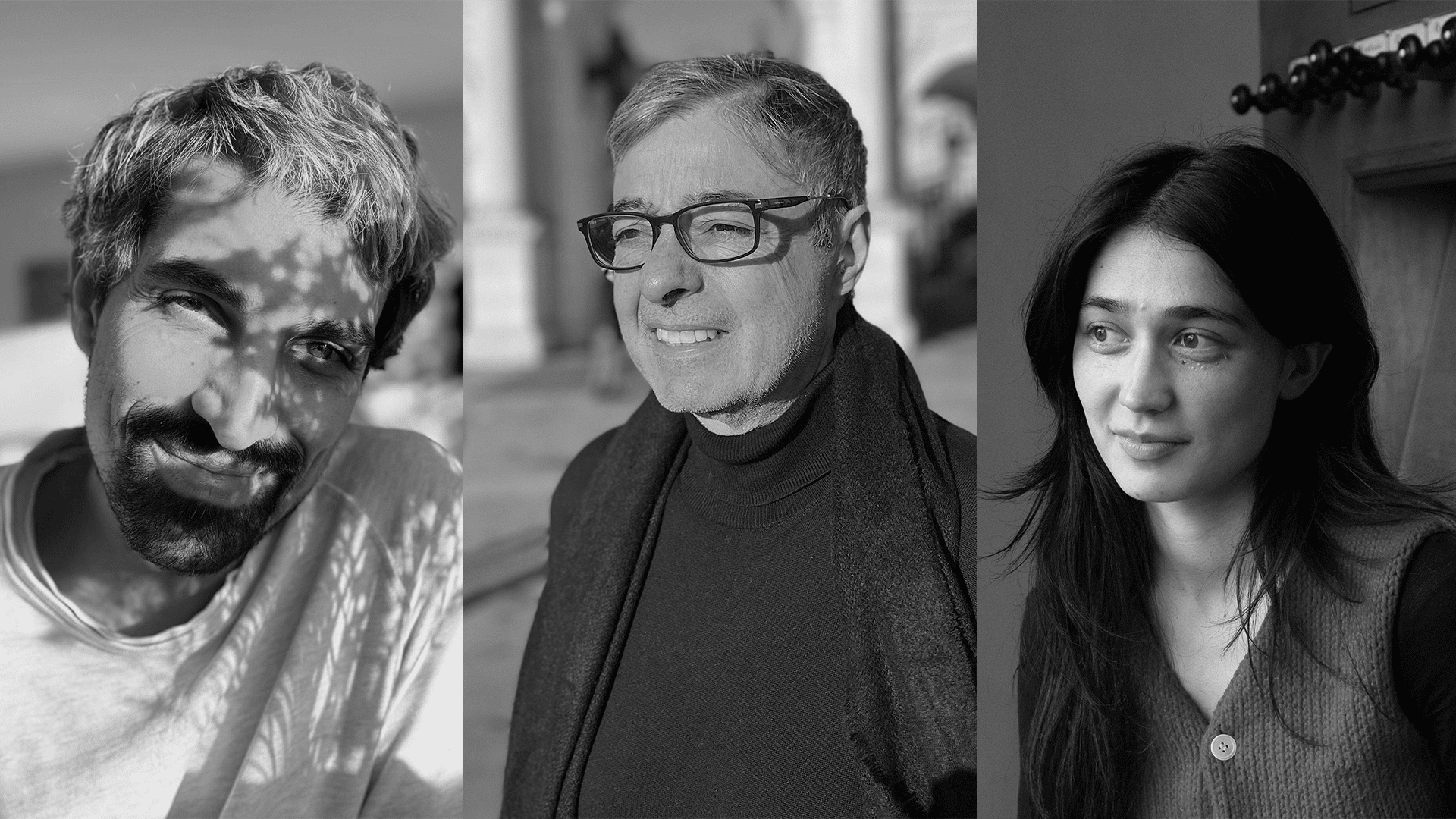
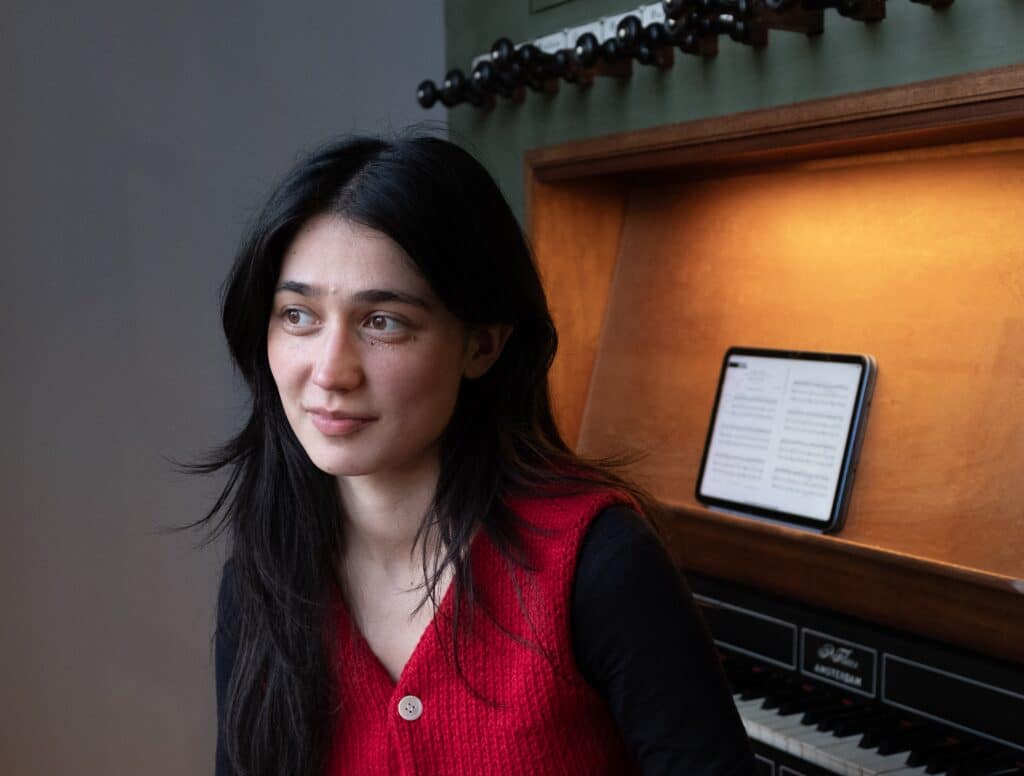
Jasmine Karimova is a Tajik-Australian composer and performer based in the Netherlands. Her music moves between concert works, interdisciplinary performance, and sound art – shaped by a recurring attention to voice, organ, and the physical presence of sound in space. She has opened the International Organ Symposium in Amsterdam for three consecutive years and has presented work at venues including the Muziekgebouw and Koninklijk Theater Carré. Her compositions have been premiered by ensembles including the Nederlands Kamerorkest and Belgium’s Hermes Ensemble, and recent projects include the children’s mini-opera Mispoes for Holland Opera and Boom Verzen, which won the Wonderfeel x Keep an Eye production prize and premiered at Wonderfeel Festival 2025.
For the ‘Shores’ residency project Karimova explores how water appears and disappears across different coastal environments, and what is revealed or concealed through these shifts – the relationship between ecological cycles and human presence, and the ways we observe, adapt to, and exist within these rhythms. Across three locations – Aveiro, the Wadden Sea, and Trondheim – Jasmine will develop new sound works that translate these processes into musical form, working with field recordings, organ, voice, and video. In Aveiro, the focus is evaporation and the material traces left behind in the salt pans. In the Wadden Sea, the brief exposure of a hidden world at low tide. In Trondheim, the depth and layered life of the fjord – where most remains submerged and only fragments briefly surface. Her process moves from targeted listening and field collection to immediate compositional response, allowing each environment to shape the work directly. Each piece will also contain a small, self-contained musical fragment – something designed to be passed on to local performers or communities, so that each place leaves behind not just documentation, but a living musical trace.
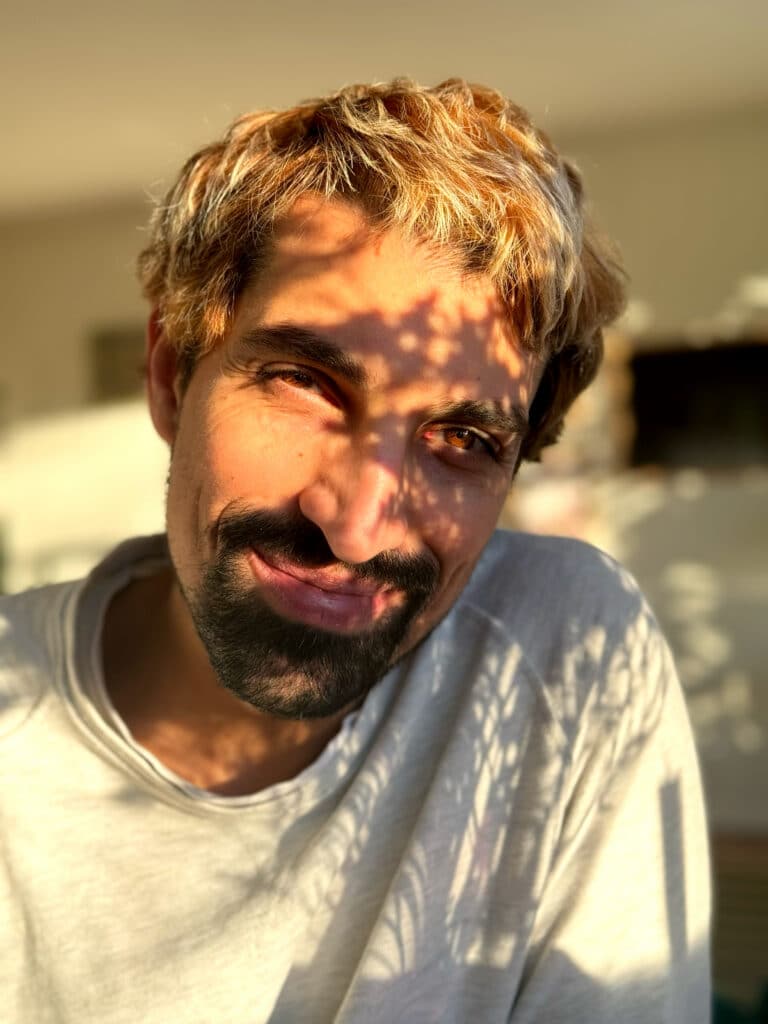
Carlos A. Correia is a Portuguese artist based in Norway working across artistic production, editorial practice, and research.
For Shores 2026, Carlos brings Ulva lactuca — sea lettuce — into the centre of his residency across Aveiro, Wadden, and Trondheim. Travelling between these locations and carrying a living seaweed specimen throughout the journey, he will observe, record, and document how this organism responds to different environments, collaborations with local marine biologists, and direct human interaction. The project, “Ulva lactuca”, sits at the intersection of ecological curiosity and artistic intimacy, questioning our estrangement from marine life and the possibilities of a reciprocal relationship with the non-human world.
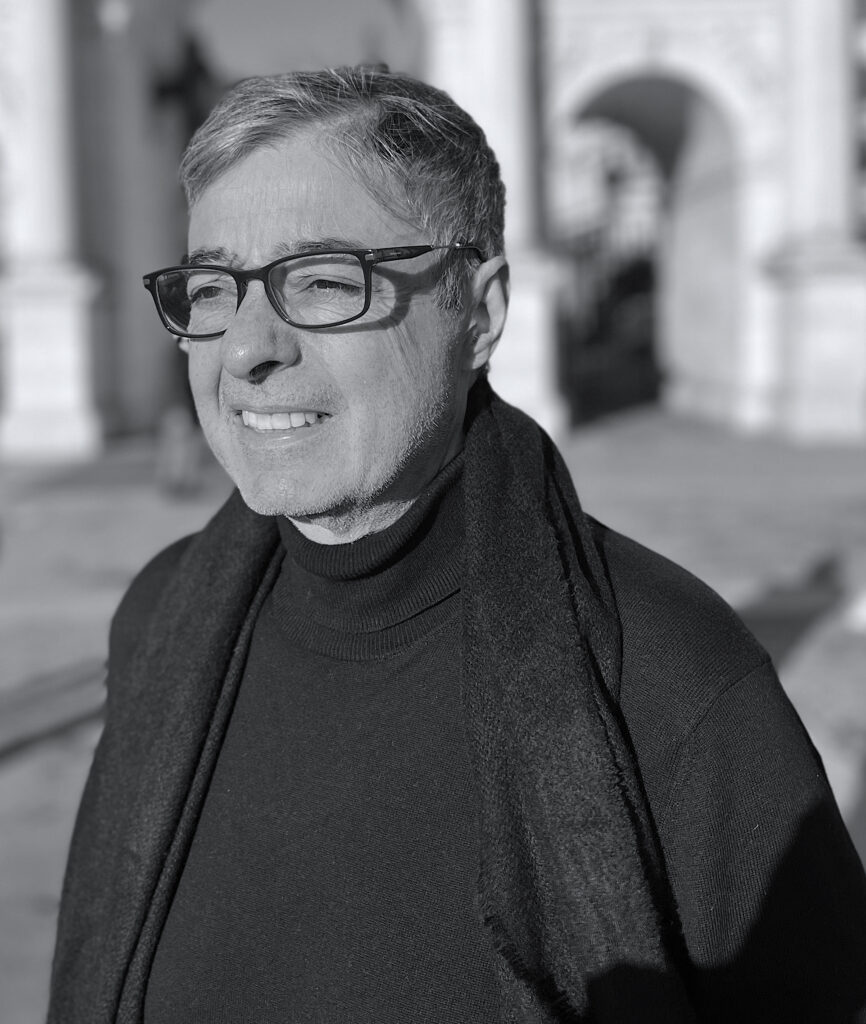
Jônatas Manzolli is a composer whose work unfolds a dialogue between music, technology, and human cognition. Formerly a full professor at the Institute of Arts of Unicamp, Brazil, he led research at the Interdisciplinary Nucleus for Sound Studies (NICS/Unicamp) for over three decades. His work extends across collaborations with internationally renowned research centers, reflecting an interdisciplinary and global practice. His music spans diverse forms, from chamber and orchestral works to immersive electroacoustic environments, often integrating computer music and human–computer interaction. His artistic approach embraces the poetic potential of technological systems, treating them as dynamic partners in a co-creative process. He is currently a collaborating full professor at CISUC, University of Coimbra, and a collaborating member of INET-md (DeCA) at the University of Aveiro.
ShoreScapes: Edges Where Sound Lingers is his compositional residency project for the Shores Project. Conceived as an interactive audiovisual installation for both visitors and live performance, the work reimagines system-based composition as a living, virtual ecosystem. Drawing on the environments of Aveiro, the Wadden Sea, and Trondheim, it translates their sonic, spatial, and ecological traces into a computer-mediated performance space. ShoreScapes proposes an ecology of relations between bodies and environments, physical landscapes and their virtual resonances. Within this perspective, the boundaries between observer and participant dissolve, giving rise to an emergent, collective experience.
Comments are closed