
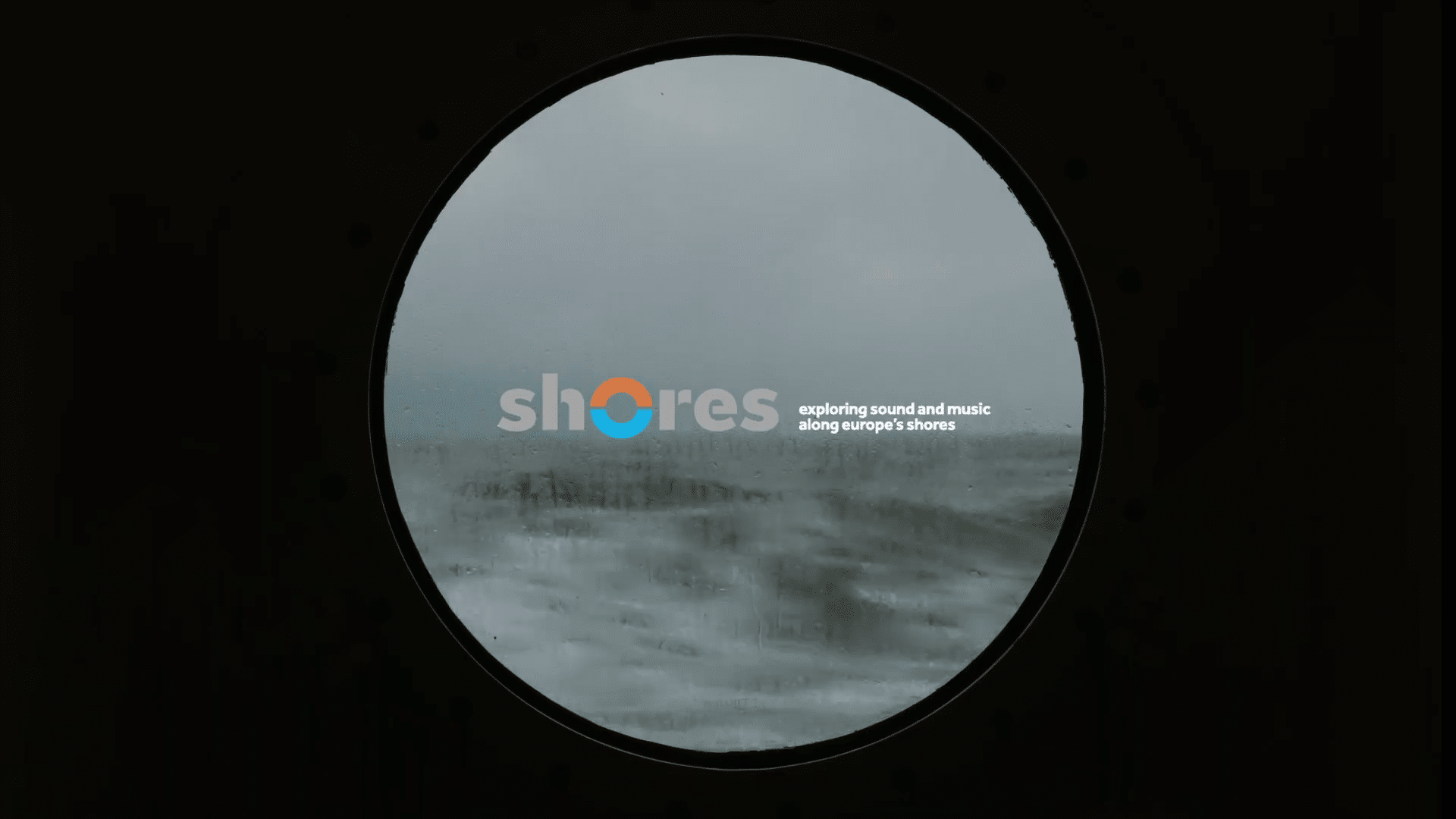
European Project ‘SHORES’ Unveils Sonic Art Born from Vulnerable Waters
What does an endangered coastline sound like? Across three European shores, local communities spent the past year capturing the hum, crash, and subtle rustle of their coastal environments, transforming ambient shore sounds into collaborative artistic works.
The initiative, developed under the cross-border SHORES project, brought together families, university students, and coastal residents across four interactive field laboratories in 2025. Field sessions took place along the fjords of Trondheim, Norway, the tidal flats of Lauwersoog on the Netherlands’ Wadden Sea coast, and the lagoon landscapes of Aveiro, Portugal, which hosted workshops in both June and October.
Titled “Drifting Sounds: A Laboratory of Listening and Sound Creation,” the project explores acoustic ecology as a tool for environmental advocacy. Participants used field-recording techniques to engage directly with the ecological pressures confronting coastal ecosystems—from climate shifts to habitat disruption—using creative composition to envision more sustainable relationships with the sea.
The methodology and outcomes of the workshops are now being presented in an documentary webinar, structured around the four-phase pedagogical framework used in the field:
- Collect: Gathering raw acoustic and environmental audio directly within shoreline ecosystems.
- Share: Convening participants to exchange observations, local lore, and ecological insights prompted by the listening process.
- Learn: Introducing sound processing, editing techniques, and sonic experimentation to translate raw field recordings into expressive audio palettes.
- Create: Collaborative composition and live performance, assembling the community’s recordings into public sound pieces.
By bridging artistic research, sound design, and community stewardship, the SHORES project aims to demonstrate how active listening can serve as an accessible catalyst for ecological awareness across Europe’s changing shorelines.
Comments are closed